2026 Ten for Tennessee Awards
Ten for Tennessee recognizes and celebrates the top ten policies, resources, and budget proposals in 2026 that best advance educational opportunity in the state.
Every legislative session, Tennessee education leaders offer new ideas or proposed changes to programs and policies that touch the lives of thousands of students across the state, from preschool through higher education.
EdTrust–Tennessee is proud to recognize the ideas that have the greatest potential to improve opportunity and access for students from low-income backgrounds, students of color, students with disabilities, those in rural areas, justice-impacted students, student parents, LGBTQ+ youth, and English learners, regardless of citizenship status. We will continue to monitor and support these proposals as they move through the legislature this term.
Resources
2026 Ten for Tennessee Awards
Expanding Early Care and Education Support
Pending

Awarded for | Priority 1: Promoting Accessible, Rigorous, and Affirming Learning Experiences
What does this bill do?
HB2008/SB2512 enacts the “Universal Pre-K Funding Act,” establishing a statewide, universal pre-kindergarten program for all four-year-old children in Tennessee, requiring local education agencies to provide free, high-quality pre-K classrooms with defined staffing, class size, and instructional standards, fully funded by the state. The bill creates a dedicated funding source by imposing a 9.5% tax on large companies’ digital advertising data transactions, with all revenues placed into a protected Universal Pre-K Fund to support and sustain the program beginning in the 2027–2028 school year.
HB1979/SB2062 establishes the “Promising Futures Fund,” supported by dedicated revenues from vapor and hemp-derived cannabinoid products, which prioritizes three targeted initiatives:
- Child Care Workforce Scholarship Pilot – Free child care for eligible child care workers to stabilize and grow the workforce
- CareShare Tennessee Pilot – Employer-supported child care through shared employer, employee, and state contributions
- Smart Steps Plus – Scholarships for middle-income working families who earn too much for traditional assistance
To address Tennessee’s systemic child care challenges, this bill includes time-limited pilots, independent evaluation, performance metrics, and clear reporting requirements.
Ensuring Quality Access to Online and School Libraries
Pending
Awarded for | Priority 1: Promoting Accessible, Rigorous, and Affirming Learning Experiences
What does this bill do?
HB2435/SB2400 exempts the Tennessee Electronic Library (TEL) from Tennessee’s Age-Appropriate Materials Act, allowing schools and students to access TEL’s online research databases without additional content restrictions. The change is intended to restore access to high-quality, curriculum-aligned academic resources that have been blocked by filtering rules, supporting research skills and college readiness while avoiding reliance on lower-quality or less-regulated internet sources.
HB2434/SB2298 clarifies Tennessee’s Age-Appropriate Materials Act by prohibiting schools from removing a book or other library material from circulation while it is under formal review, until the challenge process is completed and a final decision to remove it is made. The intent is to prevent premature or over-compliant removals, giving educators and librarians clearer guidance and stability while challenges are evaluated.
EdTrust-Tennessee believes that school must be an inclusive, safe, and nurturing environment so that children can learn to address some of the world’s most complex issues. To do so, schools must have access to diverse and challenging curriculum, and students need to engage with materials that reflect the rich history of all students and our world. Learn more from the TN Coalition for Truth in Our Classrooms.
Redefining Tennessee’s Poverty Definition to Increase Funding for Students from Low-Income Backgrounds
Pending
Awarded for | Priority 2: Addressing Funding and Resource Equity
What does this bill do?
HB2485/SB2385 ensures school districts receive the funding necessary to support all students from low-income backgrounds so they can be ready to learn and thrive in the classroom. Beginning in the 2027-28 school year, this legislation would direct the Tennessee Department of Education and the Tennessee State Board of Education to update the economically disadvantaged definition in Tennessee’s Every Student Succeeds Act (ESSA) plan to include students enrolled in Medicaid, helping schools reach the students who need the most support.
This update makes sure the students in our classrooms who are already identified as economically disadvantaged through Medicaid aren’t overlooked and can receive the resources they need to thrive. The bill also protects districts during this transition, guaranteeing funding to districts for economically disadvantaged students does not decrease for three years.
Learn more in EdTrust-Tennessee’s report The Undercount: Tennessee’s Narrow Poverty Definition Shortchanges Schools and Students.
Increasing Transparency and Accountability in School Vouchers
Pending
Awarded for | Priority 2: Addressing Funding and Resource Equity
HB1544/SB1643 requires the Tennessee Department of Education to submit an annual, public report to the General Assembly detailing participation and spending in the Education Freedom Scholarship Program. The report must include student demographics, prior public school enrollment, private school placement, household income ranges, and a full accounting of program costs, while protecting student privacy.
HB1889/SB1978 establishes various audit and reporting requirements for the Tennessee Department of Education and private schools that enroll recipients of an education freedom scholarship. The bill also limits eligibility to students from households earning no more than 300% of the free or reduced-price lunch threshold and requires voucher recipients to take the same TCAP assessments as public school students, while mandating public reporting on school finances, admissions, demographics, and student outcomes.
EdTrust-Tennessee believes public funds should fund public schools exclusively. Learn more about the history and harm of vouchers in Tennessee on this landing page.
Enhancing Educator Pathways Through Residency Programs
Pending
Awarded for | Priority 3: Increasing Educator Diversity and Quality
HB1977/SB2156 enacts the “Tennessee Teacher Residency Program Act,” creating a state-funded grant program to expand teacher residency models that pair a full year of classroom apprenticeship with rigorous educator preparation coursework. The bill provides up to $44,500 per teacher resident to support stipends and mentor teachers, requires a three-year post-completion teaching commitment in public schools, and aims to strengthen the teacher pipeline and retention, particularly in high-need districts.
Supporting Immigrant Students and Protecting School Communities
Pending
Awarded for | Priority 4: Supporting Students’ Social-Emotional and Academic Development
What does this bill do?
HB30/SB1213 ensures that English learners (ELs) who receive language assistance services during the school year can continue to access those services while taking TCAP or end-of-course assessments, as long as it does not invalidate the test. “Language assistance services” include instruction or accommodations provided according to a student’s individual learning plan (ILP) by ESL-endorsed teachers or general education teachers.
HB1482/SB1699 prohibits the use of public school, public charter school, and private school campuses as staging areas, processing locations, or operations bases for federal civil immigration enforcement. It requires school staff to report any attempted or actual use of school property for these purposes to supervisors and local officials, helping protect students and maintain a safe, stable learning environment. The bill also directs state agencies to provide information on individuals’ rights regarding federal agents, further safeguarding school communities.
Across the United States, there is an escalation of law enforcement that threatens students’ access to welcoming school communities. EdTrust-Tennessee believes that all children, regardless of immigration status, deserve the freedom to learn and thrive in safe environments. Learn more from Education for All – Tennessee.
Fulfilling Basic Student Needs in K-12 and Higher Education
Pending
Awarded for | Priority 4: Supporting Students’ Social-Emotional and Academic Development
HB1153/SB740 addresses childhood hunger by eliminating the reduced-price category, allowing upwards of 32,393 children (number of children who received reduced-price lunch in 2022-2023) to have access to free school meals. 1 in 5 children are not getting enough regular food, and 274,320 Tennessee children are food insecure. Studies have shown that participation in school meals improves attendance, behavior, and academic achievement, and data shows that children who eat at school rely on school meals for half of their daily energy intake.
HB39/SB155 enacts the “Menstrual Hygiene Products Accessibility Act,” requiring all Tennessee public and public charter high schools to provide menstrual hygiene products in girls’ restrooms, locker rooms, and the nurse’s offices. This bill provides grants to each school based on the student population. 1 in 4 students have stayed home from school during their period due to lack of access to adequate menstrual products, and 2 out of 3 teens report stress due to lack of access to period products in their schools.
HB7/SB172 establishes the Hunger-Free Campus Grant Program in Tennessee, administered by the Tennessee Higher Education Commission. The program provides grants to eligible public and private higher education institutions to address student food insecurity. To qualify, schools must have or partner with a food pantry accessible to students and create a hunger task force including student representatives. Grant funds can be used for meal credit donation programs, meal vouchers, or support for food pantries, and institutions must raise awareness of resources and submit annual reports on campus hunger efforts and student needs.
Expanding Access to Tennessee’s HOPE Scholarship
Pending
Awarded for | Priority 5: Expanding Access and Success in Higher Education
What does this bill do?
HB1518/SB1577 expands eligibility for the Tennessee HOPE Scholarship, allowing students who did not qualify as entering freshmen based on GPA or ACT scores to receive the scholarship as transfer students. To qualify, the student must have completed an associate degree or certificate with a 3.0 GPA, maintained Tennessee Promise eligibility, and enrolled in an eligible postsecondary institution within six months of graduation.
Advancing Equal Access to Higher Education
Pending
Awarded for | Priority 5: Expanding Access and Success in Higher Education
HB1772/SB1833 protects higher education institutions from liability solely for admitting, enrolling, or providing housing to individuals with prior criminal convictions. Evidence of a prior conviction cannot be used in negligence claims unless the institution had actual knowledge of a violent or violent sexual offense and acted willfully.
EdTrust believes all students should have access to affordable postsecondary degrees or credentials, and the resources to support them through higher education. For justice-impacted individuals, barriers to higher education are too high. Learn more from EdTrust’s Justice Fellows program.
Informing School Finance Policy and Decision Making Through Data
Tennessee Investment in Student Achievement Dashboard | Tennessee Comptroller of the Treasury
Pending
What does this resource do?
The 2022 passage of the Tennessee Investment in Student Achievement (TISA) marked a major step toward ensuring all students have the resources they need to thrive. TISA is the state’s new formula that calculates funding for each district based on their students’ unique needs. TISA replaced the outdated Basic Education Program (BEP) and provides a more fair and transparent way to fund Tennessee’s schools.
This resource hub from the Tennessee Comptroller’s Office of Research and Education Accountability houses an interactive dashboard and related resources for policy makers, school leaders, and community members to better understand the implementation and impact of TISA. It provides tools such as a dashboard, glossary, flowcharts, and infographics that let users explore how K‑12 state education funding is allocated across districts, including base, weighted, direct, and outcomes funding components, and how local and state contributions are calculated.
These resources support transparency and analysis of school funding and help policymakers, educators, and the public understand and compare investment in students across Tennessee. District leaders and local school boards work together to decide how their budget should be invested and local advocates can utilize these resources to engage and make sure funding is used to meet students’ unique needs.
EdTrust-Tennessee powers Southerners for Fair School Funding, a regional initiative focused on school funding in the South. Southerners builds on our work in Tennessee on school funding to empower advocates across the South to advocate for funding that students need to thrive.
2026 Awards Reception
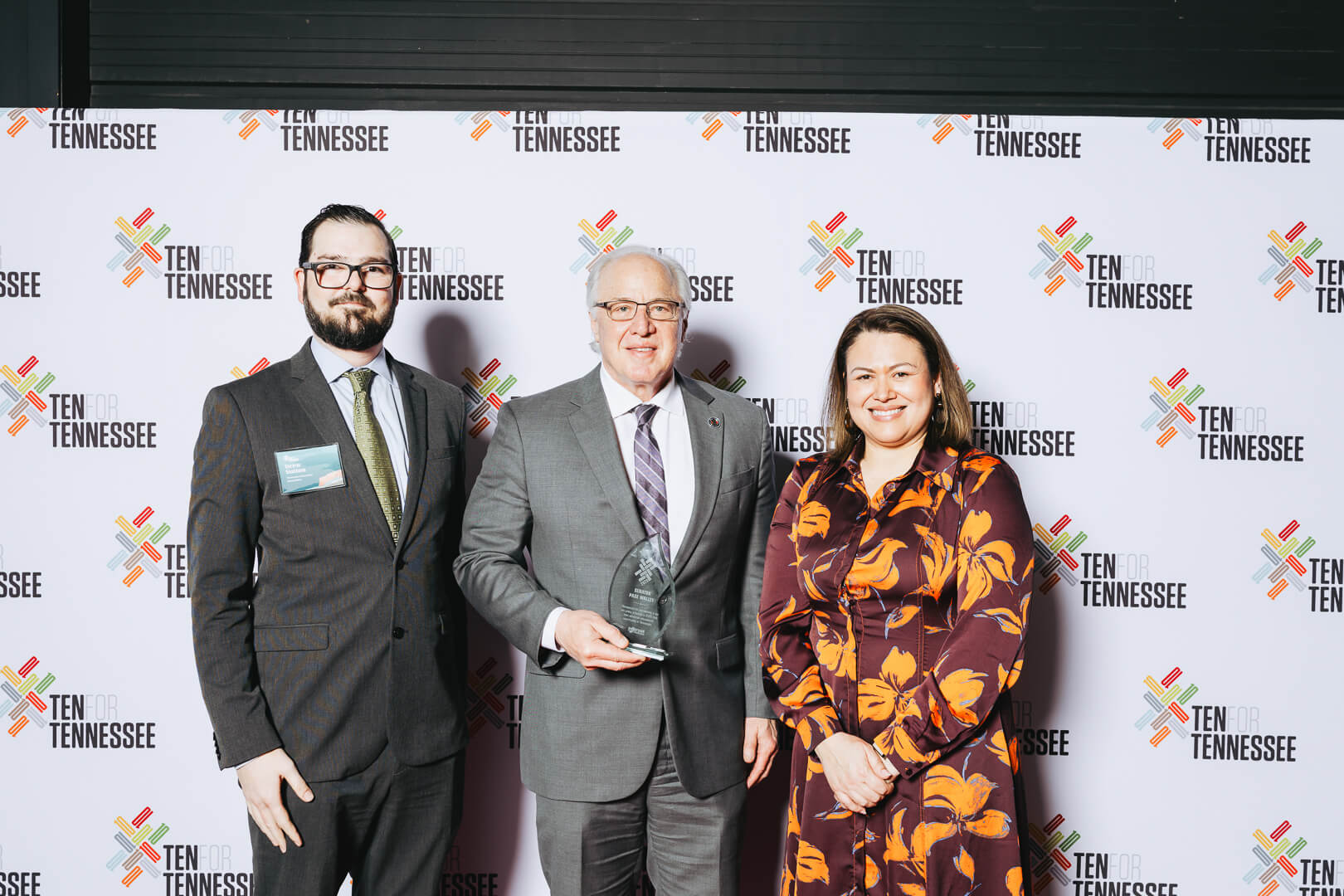
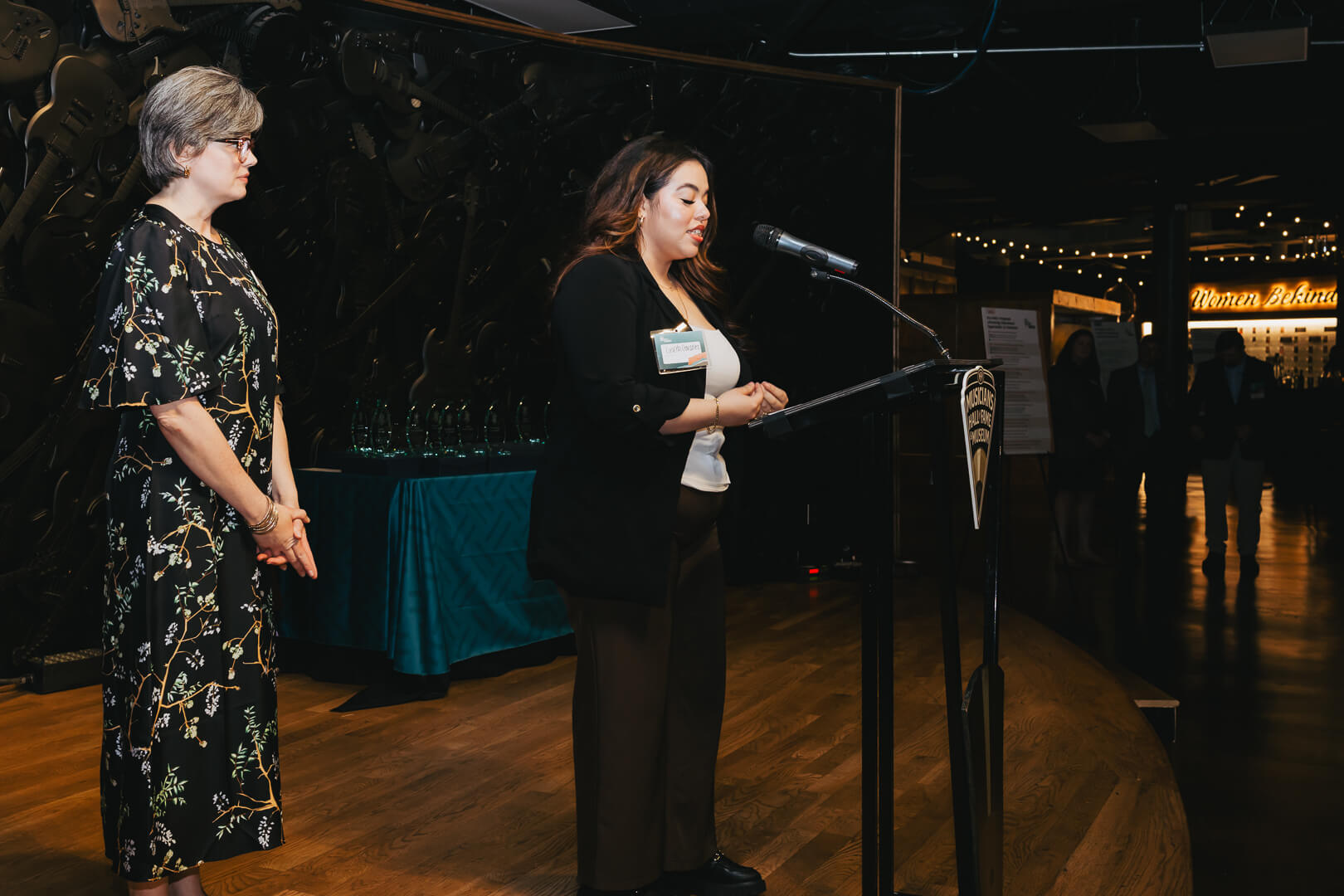






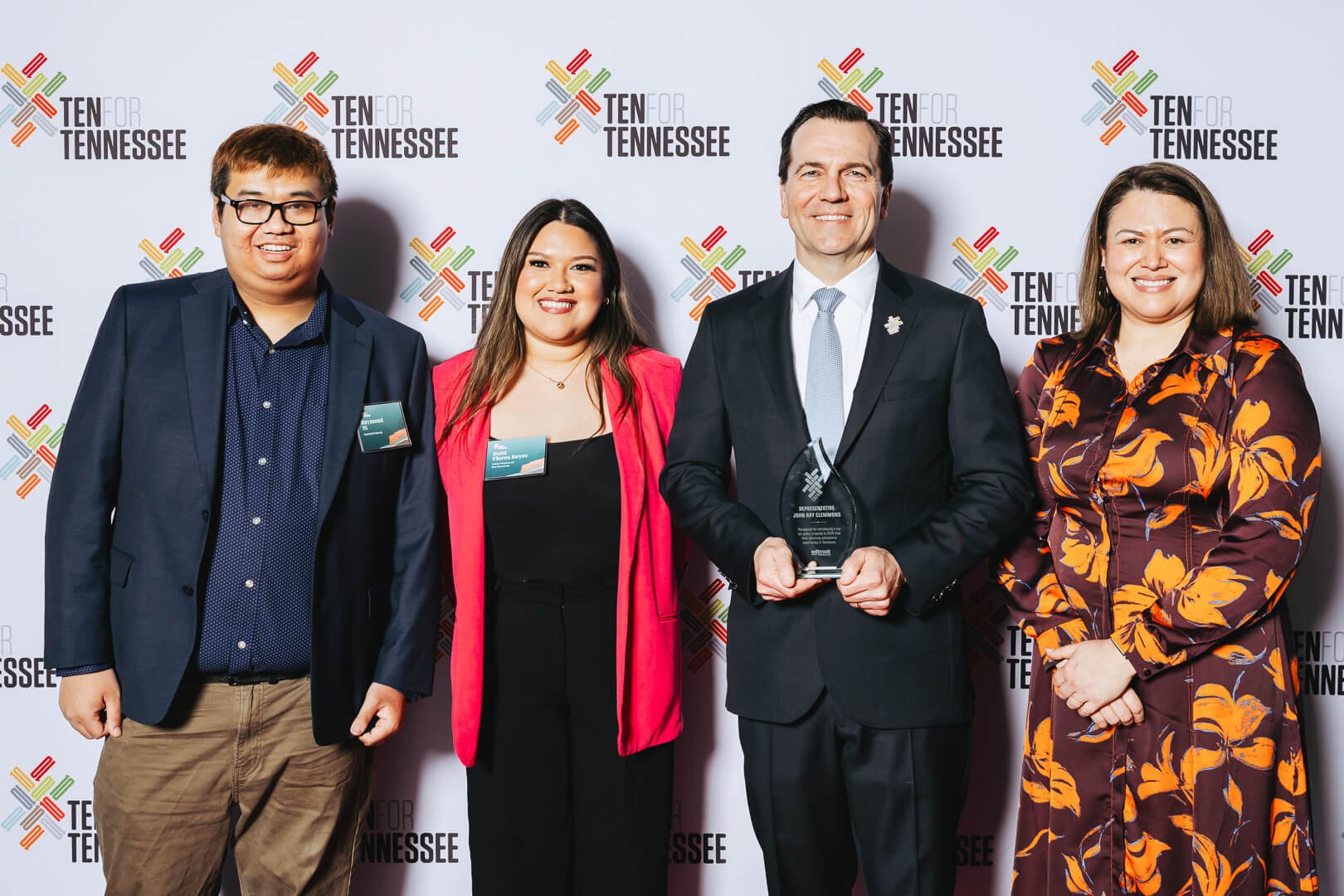













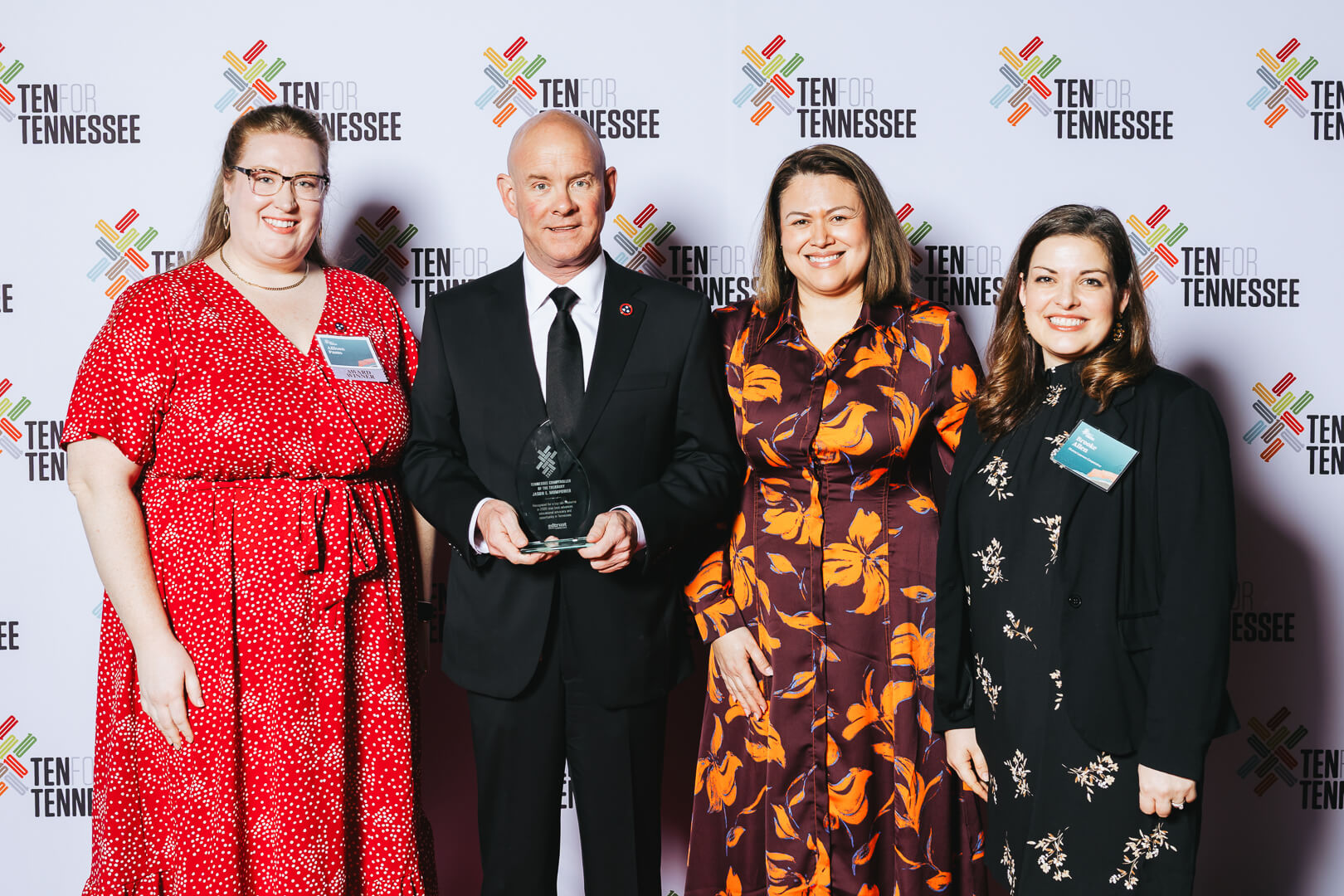


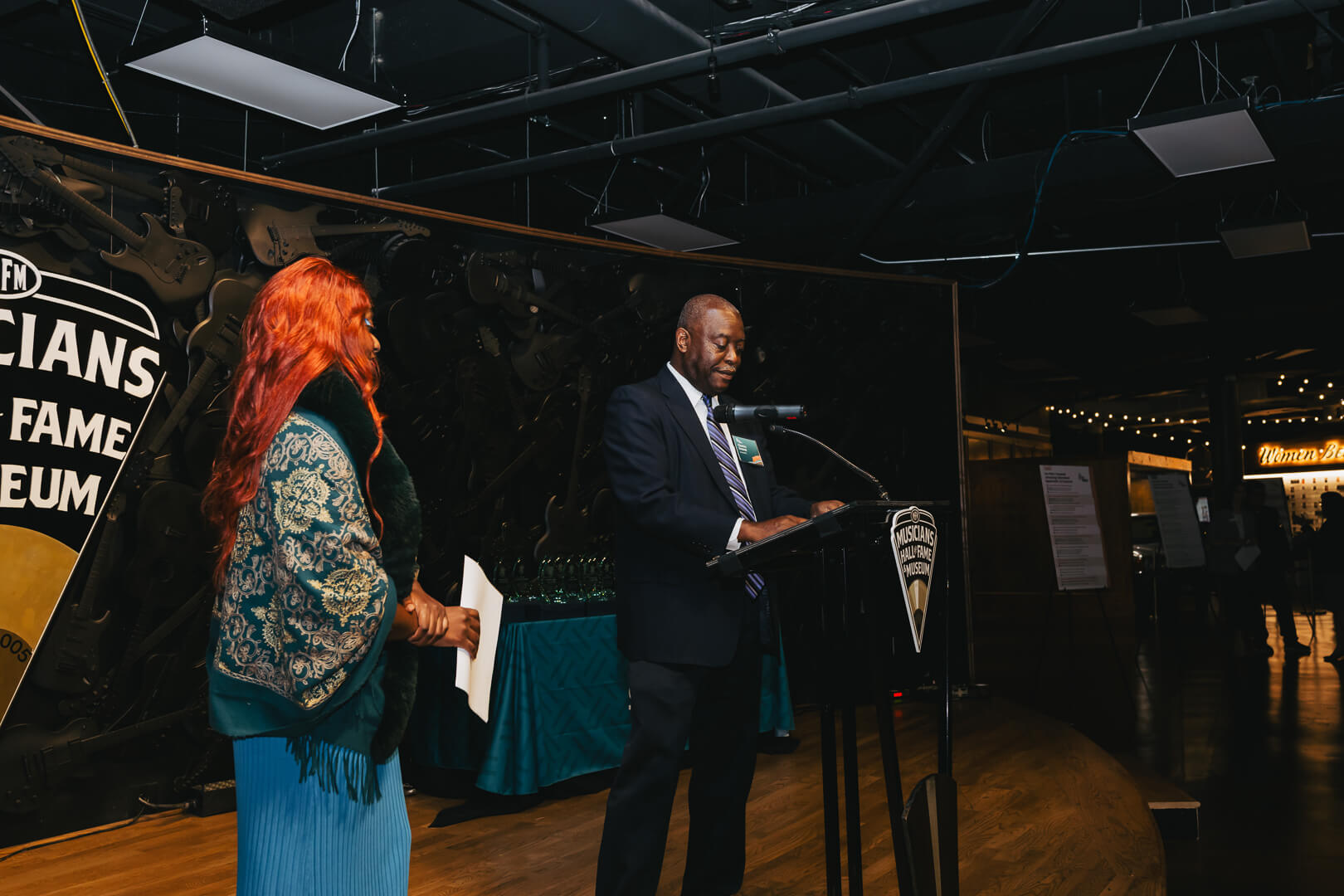







Photo credit: Joana Elena Zuniga – Manifold Studios